Millions without power as Hurricane Ian makes landfall in Florida, unleashes howling winds & torrential rains

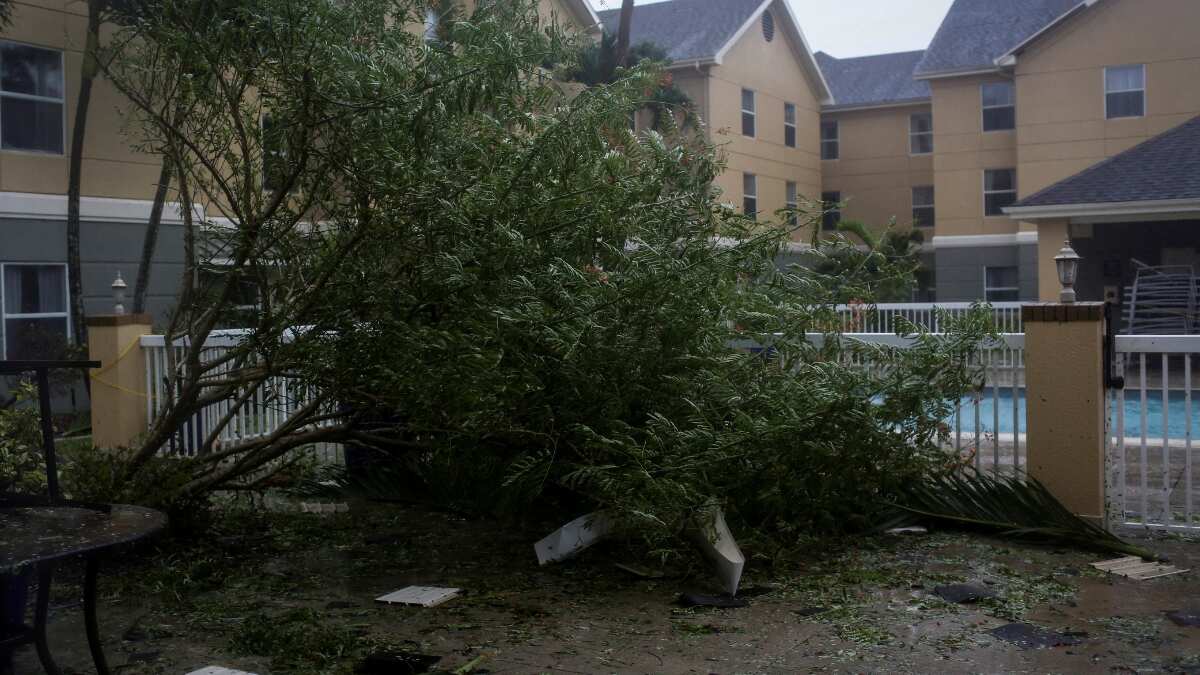
Hurricane Ian makes landfall
Hurricane Ian plowed into Florida's Gulf Coast with catastrophic force on Wednesday. It unleashed howling winds, torrential rains and a treacherous surge of ocean surf that made it one of the most powerful US storms in recent years.
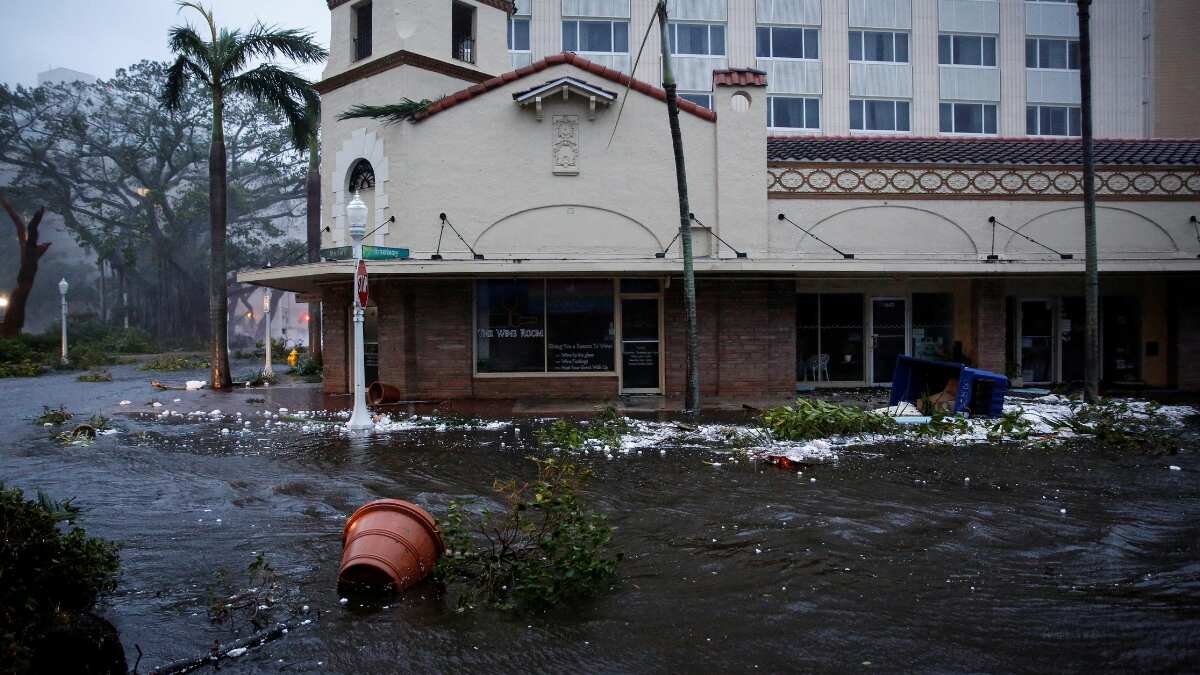
Category 4 hurricane
Crashing ashore as a Category 4 hurricane with sustained winds of up to 150 miles per hour, Ian quickly transformed sandy beaches and coastal towns into a disaster zone inundated by seawater.
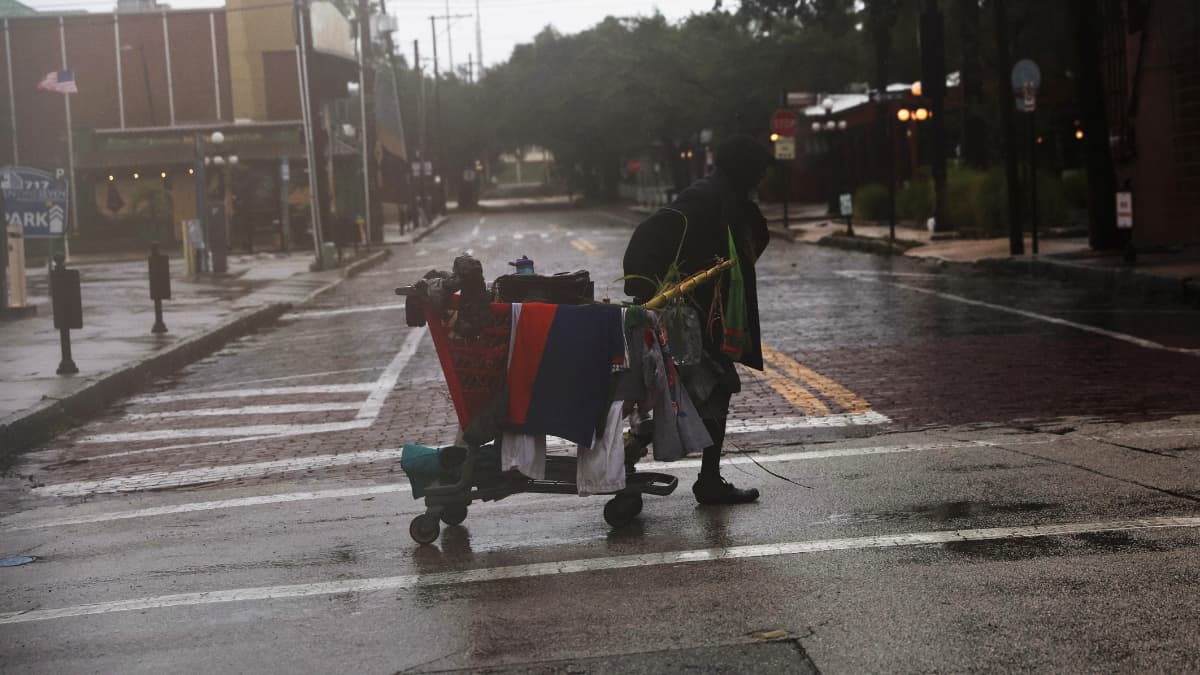
Storm's fury
Early video images of the storm's fury on local TV and social media showed floodwaters nearly reaching rooftops in some communities, sweeping away cars and the ruins of homes as palm trees were bent almost in half.
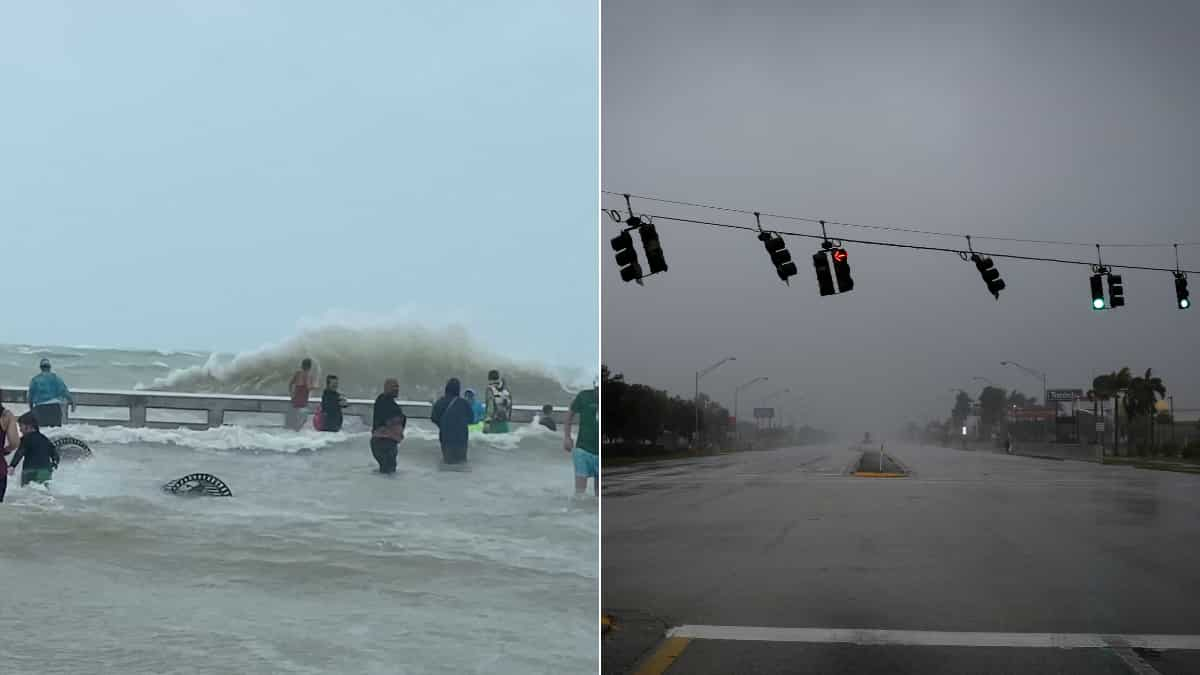
Threats of flash floods
Up to two feet of rain is forecast to fall on parts of central Florida as the storm moves inland, threatening to cause extensive flash floods.
"This storm is doing a number on the state of Florida," said Governor Ron DeSantis, who asked US President Joe Biden to approve a major federal disaster declaration providing a wide range of U.S. emergency aid to the entire state.
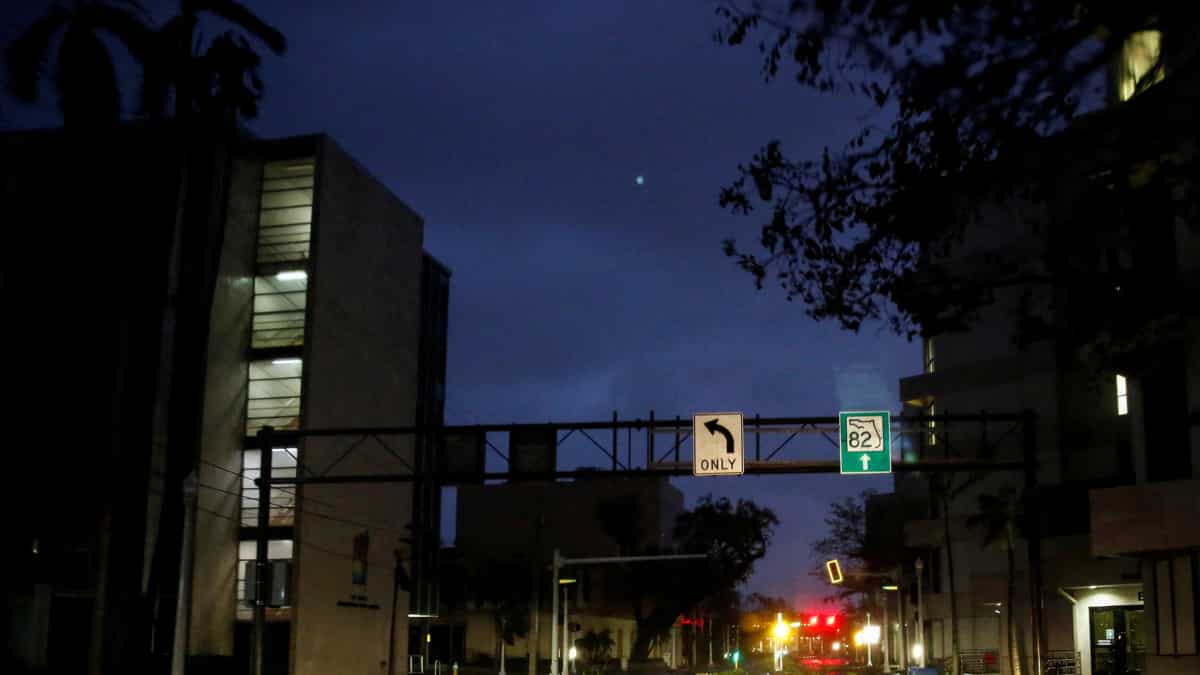
Millions without power
According to a US tracker, over a million customers lost power in the hurricane and the number is expected to rise as high winds, heavy rain and floods take their toll.
Of 11 million customers tracked in Florida, 1,040,000 were suffering outages, PowerOutages.us reported.
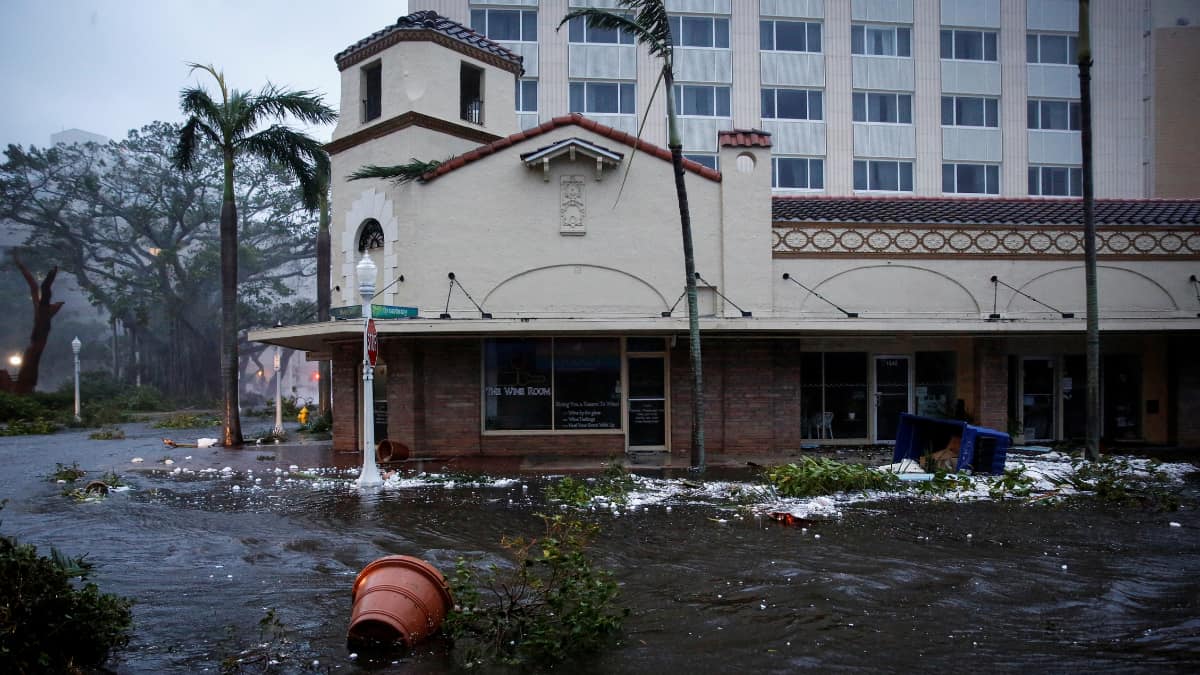
People stranded in 'high-risk' evacuation zones
An unknown number of people were stranded in "high-risk" evacuation zones and in need of help after defying orders to seek higher ground, but rescue crews were unable to immediately reach them, the governor said.
Having swept past Cuba on Tuesday, leaving it without power for hours, Ian made landfall in Florida at 3:05 p.m. EDT (1905 GMT) on Wednesday near Cayo Costa, a barrier island just west of Fort Myers, the US National Hurricane Center (NHC) reported.
Migrants missing
US border authorities said 20 Cuban migrants were missing after their boat sank off the Florida coast as Ian neared the coast on Wednesday. There were no immediate official reports of other storm-related casualties.
)
)
)
)
)