&imwidth=800&imheight=600&format=webp&quality=medium "Maduro’s fortress: Venezuelan president’s personal security apparatus that blocked attacks for years before eventual capture")
The US military on Saturday (Jan 03) conducted "large-scale" strikes in Venezuela and captured President Nicolás Maduro and his wife Cilia Flores in the capital Caracas and flew them out of the country. The United States government has sought Maduro's arrest for years and was accused by a US court of narco-terrorism. Maduro has been on a US bounty since 2020. In 2025, the Trump administration doubled the reward to $50 million for any information leading to Maduro's capture.
However, for years, Maduro, with the help of his multi-layered, highly trained and armed personal security detail, successfully thwarted attempts on his life and efforts to capture him, to finally caught by the Delta Force, an elite unit of the US Army, on Saturday.
The US President Donald Trump confirmed the capture was made possible by extensive planning and seamless coordination between various wings of the armed forces and Washington's intelligence apparatus. "A lot of good planning and a lot of great, great troops and great people," he said as quoted by the New York Times.

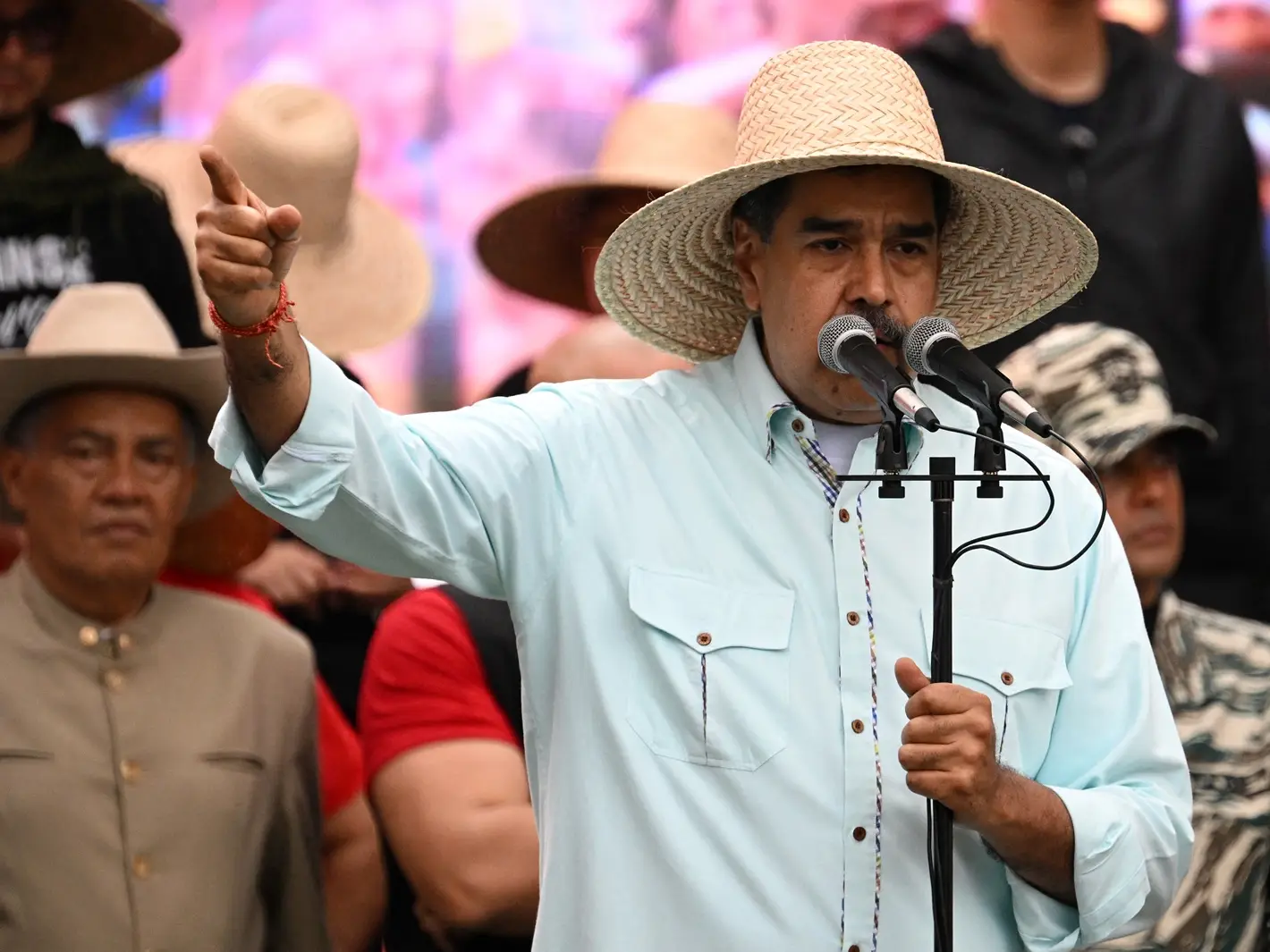
Venezuelan President Nicolás Maduro was protected by a multi-layered, heavily militarised security apparatus, making him one of the most guarded leaders in the world, as he has been at odds with Washington over a decade of ideological conflict and accusations of being involved in narco-terrorism activities inside the United States.
Maduro’s inner security ring was handled by the Presidential Honour Guard (Guardia de Honour Presidencial), an elite unit responsible for his close protection at the Miraflores Palace, official residences and public events. This unit reports directly to the presidency and operates independently of regular police forces.
His protection was supported by the Bolivarian National Intelligence Service (SEBIN), which conducts counter-intelligence, surveillance, threat monitoring and internal security operations. SEBIN plays a key role in foiling assassination plots and neutralising political threats.
Trending Stories
&im=FitAndFill=(700,400))
What is USS Abraham Lincoln? US’ nuclear-powered battleship moving towards Middle East amid Iran tensions
&im=FitAndFill=(700,400))
From superpowers to supercarriers: The 5 most powerful warships at sea in 2026
&im=FitAndFill=(700,400))
Why do airlines need Iran’s airspace and what happened during past shutdowns?
)
Indian techie with H1-B visa deported and humiliated by ICE? Here is what Infosys said
&im=FitAndFill=(700,400))
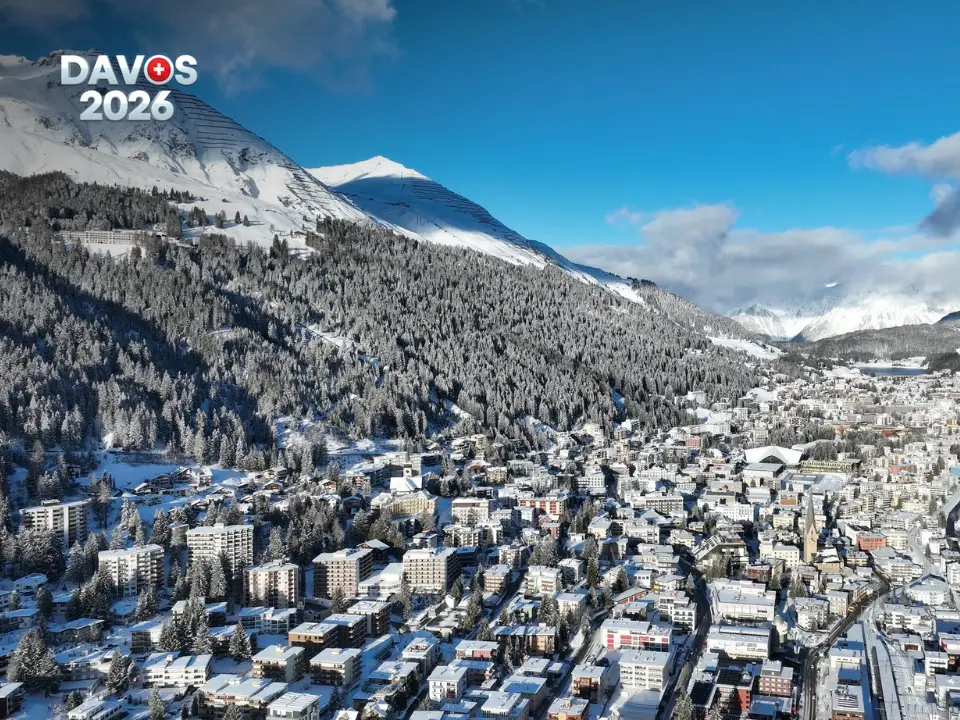
‘Prostitution and hush money’: What happens behind the closed doors of Davos World Economic Forum
&im=FitAndFill=(700,400))
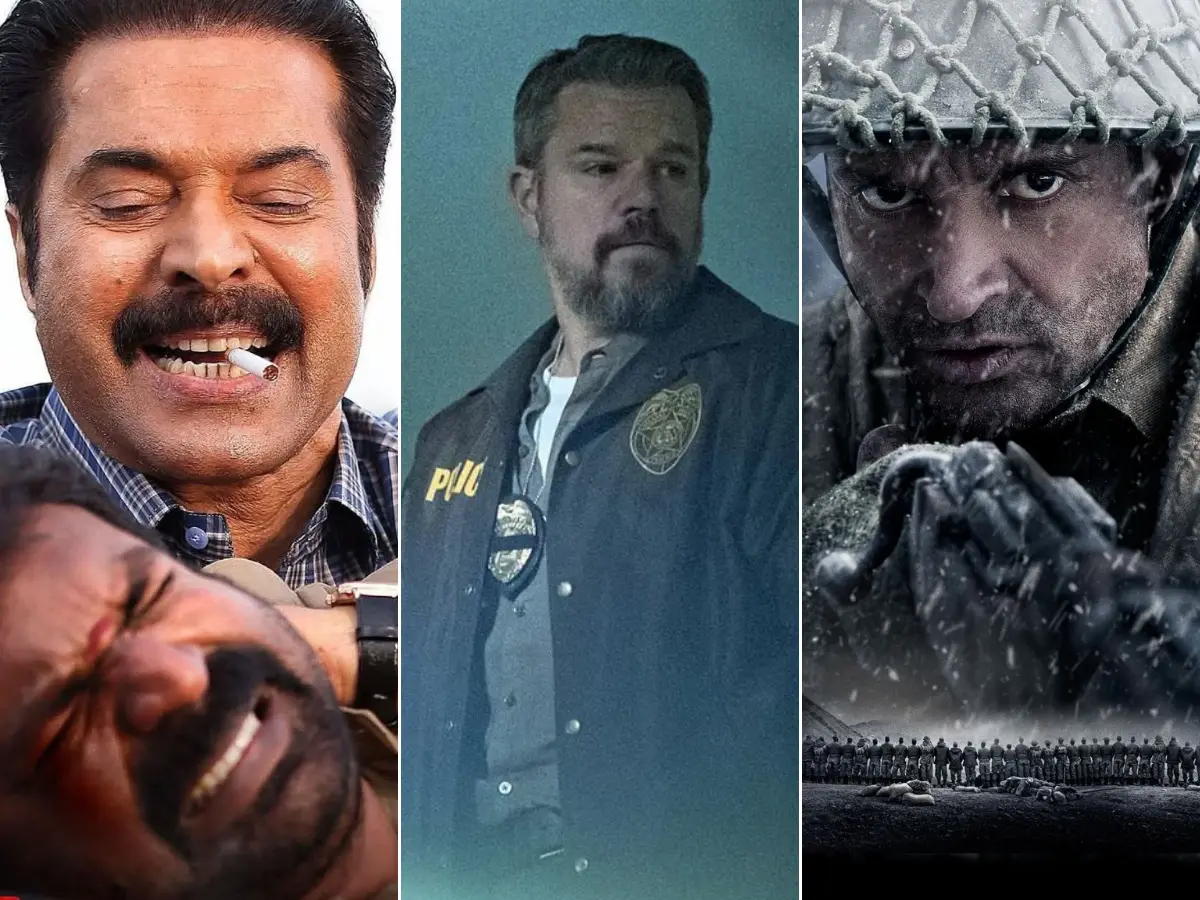
New Friday OTT Releases (January 16, 2026): The Rip, Kalamkaval, 120 Bahadur- 6 new movies and TV shows on Netflix, Prime Video, SonyLIV and more
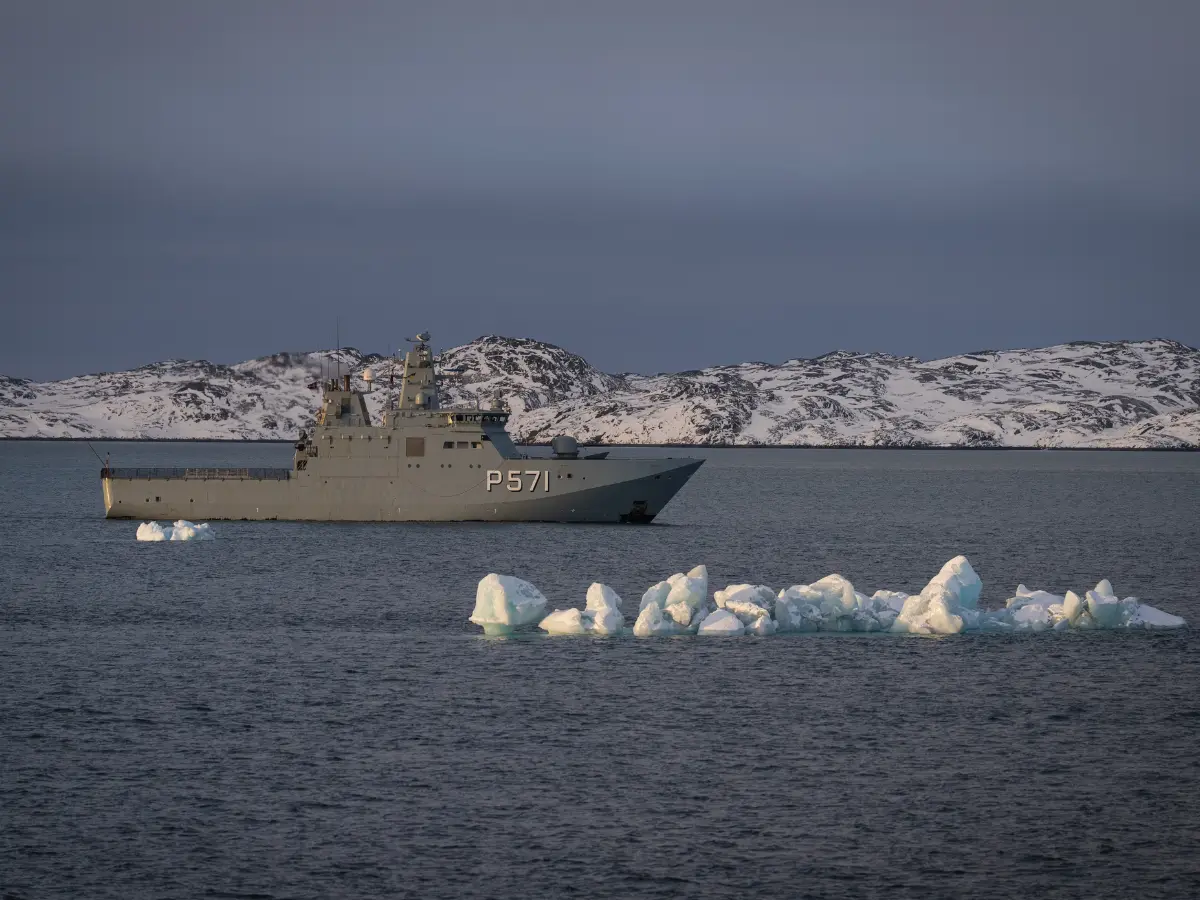)
'Beginning of the end of world': Russia warns of nukes, says third World War will take place in Arctic
&im=FitAndFill=(700,400))
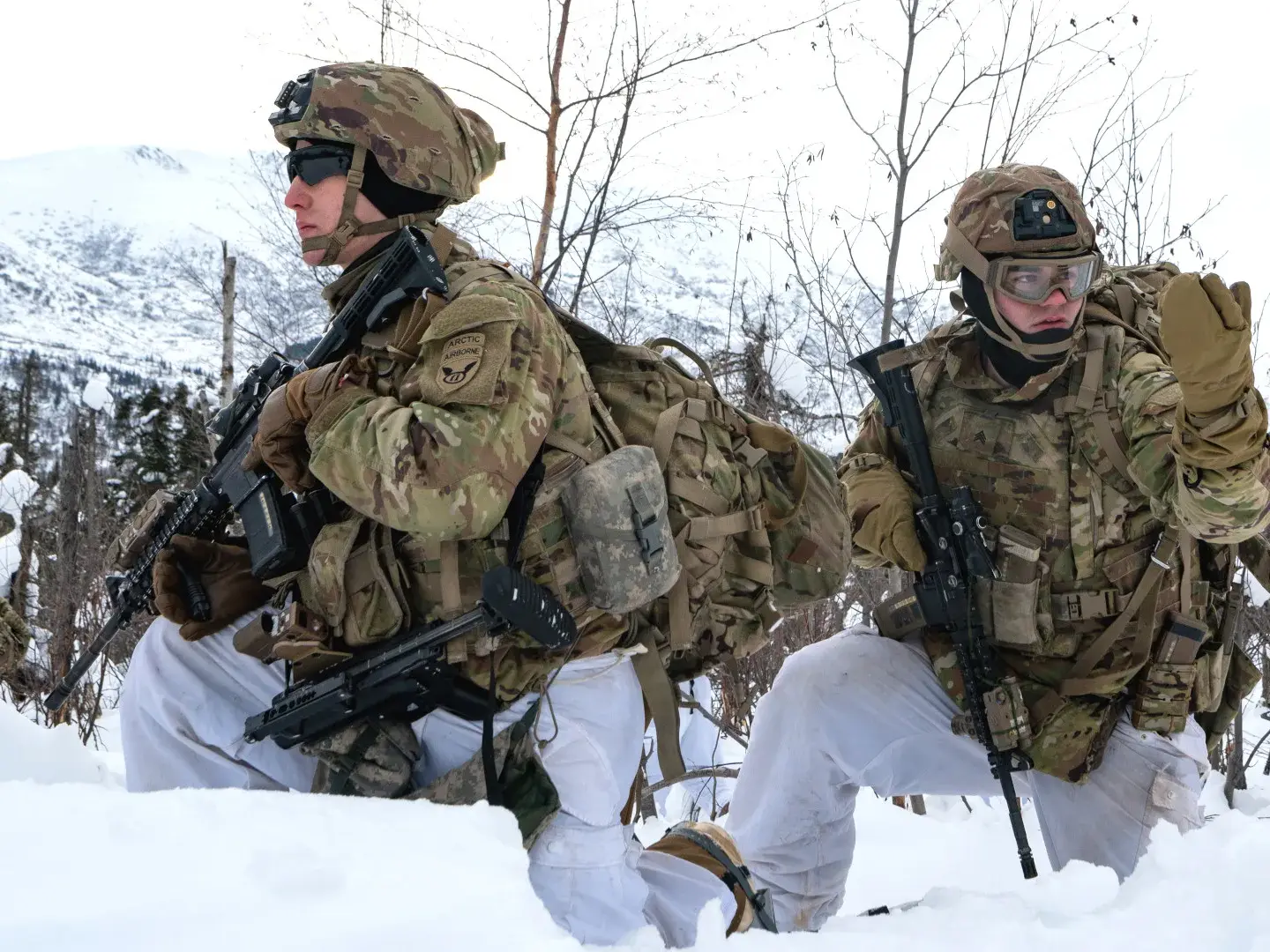
Is the US military capable of fighting in the Arctic under extreme cold conditions?
&im=FitAndFill=(700,400))
India’s new Anti-Stealth Radar Grid can detect 5th-gen F-35, Su-57 fighter jets – All about THIS air defence system
)
Earth to lose gravity for 7 seconds in August? Wild claims blame two black holes for alleged glitch
&im=FitAndFill=(700,400))
Can US military control Greenland legally? Understanding the 1951 treaty
&im=FitAndFill=(700,400))
'US vs Iran': Can Iran’s MiG‑29 jets compete with US modern fighters?
The Bolivarian National Guard (GNB) and National Bolivarian Armed Forces (FANB) provided outer-layer security, controlling perimeters, routes, airspace and public venues during Maduro’s movements. Military units routinely escort his motorcades and secure strategic locations.
Maduro also relied on Cuban security and intelligence advisers, a relationship that dates back to the Hugo Chávez era. These advisers are believed to assist in intelligence analysis, personal protection protocols and counter-espionage, although Caracas does not officially disclose their role.
After surviving a 2018 drone attack, Maduro significantly tightened security with measures such as electronic counter-drone systems, restricted airspace, frequent route changes and tightly controlled public appearances.