Explained: Will Putin be arrested? Here's what happens to the ICC arrest warrant


Vladimir Putin
South Africa will soon host the heads of state of BRICS nations, a summit which, as per reports, Russian President Vladimir Putin might attend. Overshadowing everything else is one question: Will Putin be arrested?
Here's all you need to know.
BRICS summit

BRICS is a five-nation geopolitical bloc that consists of regional economies: Brazil, Russia, India, China and South Africa.
From August 22-24, the bloc will gather for its 15th summit in South Africa's Johannesburg.
Warrant for Vladimir Putin's arrest
&im=FitAndFill=(700,400))
Indian Army vs Pakistan Army: A comparison of military strength, weapons and firepower
&im=FitAndFill=(700,400))
What is USS Abraham Lincoln? US’ nuclear-powered battleship moving towards Middle East amid Iran tensions
)
Mars proves Einstein right as time ticks differently on the Red Planet, scientists confirm
&im=FitAndFill=(700,400))
From superpowers to supercarriers: The 5 most powerful warships at sea in 2026
&im=FitAndFill=(700,400))
Why do airlines need Iran’s airspace and what happened during past shutdowns?
)
Indian techie with H1-B visa deported and humiliated by ICE? Here is what Infosys said
&im=FitAndFill=(700,400))
New Friday OTT Releases (January 16, 2026): The Rip, Kalamkaval, 120 Bahadur- 6 new movies and TV shows on Netflix, Prime Video, SonyLIV and more
&im=FitAndFill=(700,400))
India’s new Anti-Stealth Radar Grid can detect 5th-gen F-35, Su-57 fighter jets – All about THIS air defence system
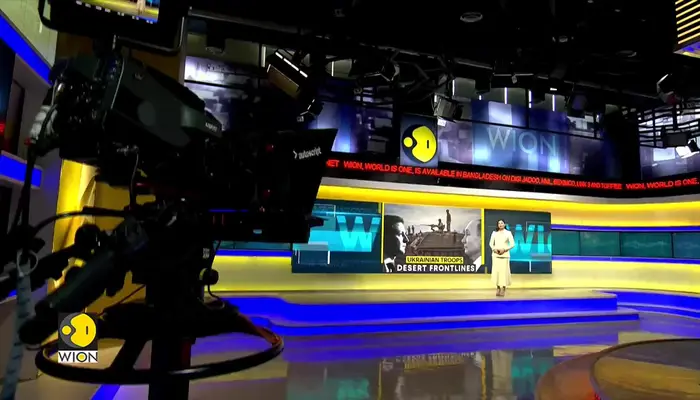)
Russia-Ukraine War: Ukrainian Troops Desert Frontlines Amid Massive Military Manpower Crisis
&im=FitAndFill=(700,400))
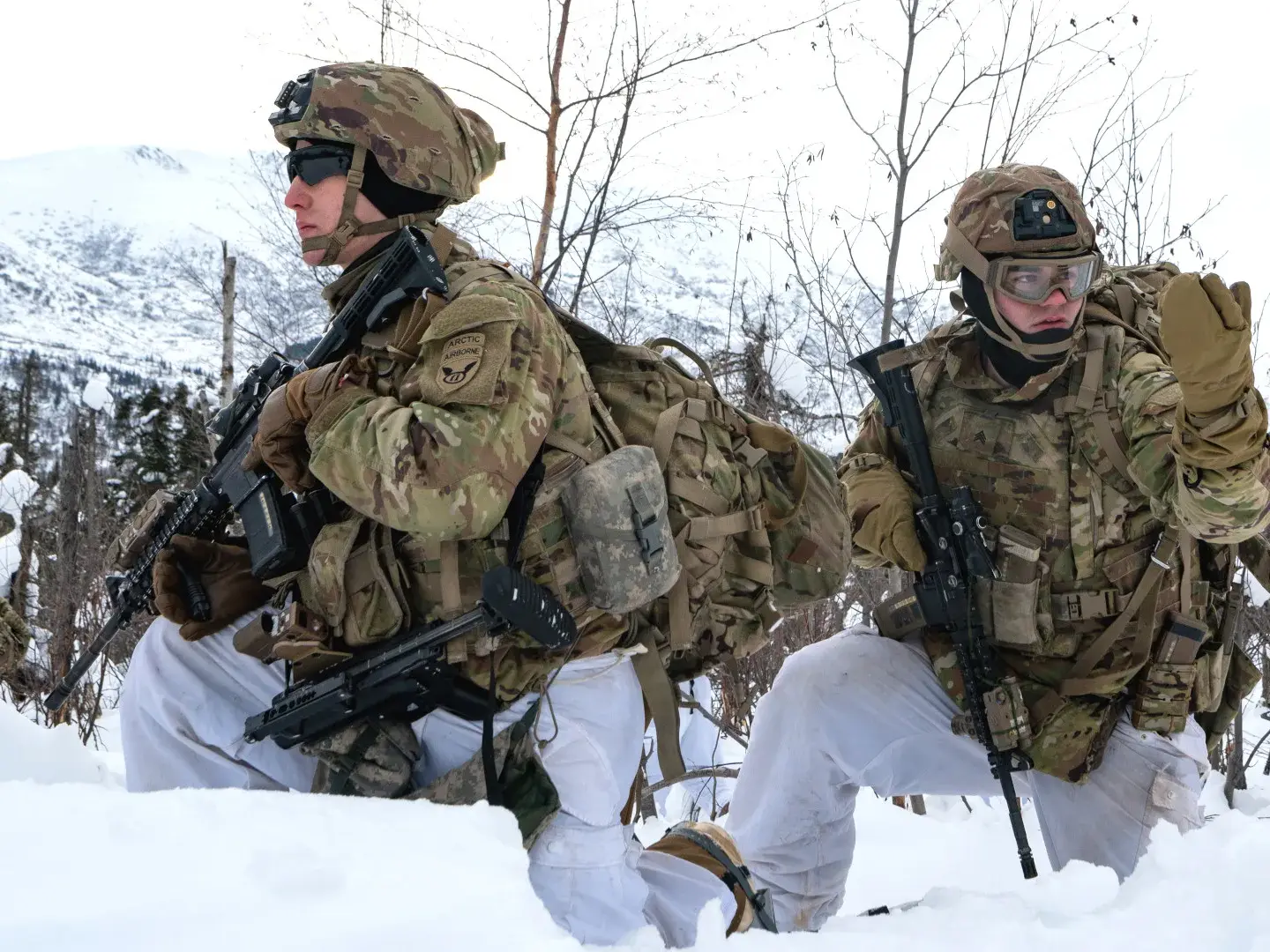
Is the US military capable of fighting in the Arctic under extreme cold conditions?
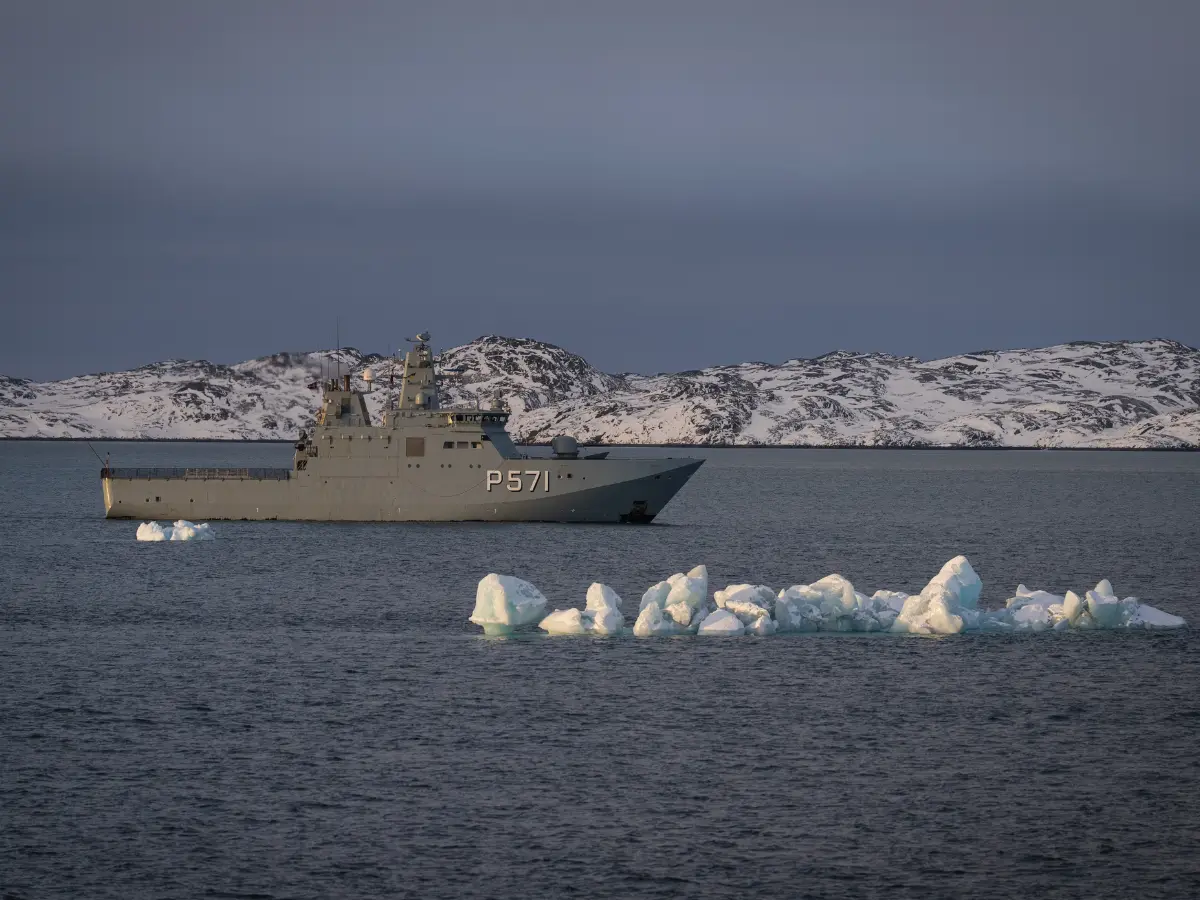)
'Beginning of the end of world': Russia warns of nukes, says third World War will take place in Arctic
)
Earth to lose gravity for 7 seconds in August? Wild claims blame two black holes for alleged glitch
&im=FitAndFill=(700,400))
Who has the edge? US air power versus Iran’s layered defence
&im=FitAndFill=(700,400))
'US vs Iran': Can Iran’s MiG‑29 jets compete with US modern fighters?
Russian President Vladimir Putin is currently facing an international arrest warrant.
The warrant has been issued by the International Criminal Court (ICC) for the Russian president's role in the alleged forced deportation of Ukrainian kids. Reports claim that amid the ongoing Russia-Ukraine war, Moscow has "stolen" thousands of Ukrainian children and has subjected them to "Russification".
According to Kyiv, more than 16,000 Ukrainian children have been deported to Russia since the start of Moscow's offensive in February 2022. The war-torn nation has alleged that many of these children have reportedly been placed in institutions and foster homes.
Russia has vehemently denied these allegations. Additionally, given that Russia is not a member of the ICC, the country has dismissed the validity of the arrest warrantand called it "void".
How does South Africa figure inthis?
Unlike Russia, South Africa is a signatory of the ICC and, in theory, it would be duty-bound to arrest Putin if the leader steps foot on the nation's ground. Additionally, as a nation with strong trade and economic relations with the United States and Europe, South Africa would be expected to arrest him if he sets foot in the country.
However, the International Criminal Court does not have any authority to make any country enforce an arrest warrant.
Immunities and other privileges
The South African foreign ministry recently announced that as per its "standard" practice, it is granting immunity to BRICS meeting participants.
As per Clayson Monyela, spokesperson of South Africa's international relations department, "These immunities do not override any warrant that may have been issued by any international tribunal against any attendee of the conference."
Also read |Russia retaliates to ICC arrest warrant against Putin, puts its prosecutor Karim Khan on wanted list
Speaking at the sidelines of theforeign ministers meeting in Cape Town on Thursday (June 1st), South Africa's foreign minister Naledi Pandor said her country was mulling options.
"Our government is currently looking at what the legal options are with respect to this matter and I've indicated ... that it is something the president will be the best person to speak about (this) once it has reached a conclusion," said Pandor while talking to reporters on the sidelines of a BRICS foreign ministers meeting in Cape Town.
What is diplomatic immunity?
Diplomatic immunity is a principle of international law. Traditionally, diplomats representing their country abroad enjoy immunity, which protects them against prosecution in the receiving state for the entire period in which they hold their diplomatic post.
Similar cases with international warrants and diplomatic immunity
- In 1998, former Chilean dictator General Augusto Pinochet, who at the time had an Interpol Red Notice against him was arrested at a London hospital on a request from Spain. Pinochet presided over a 17-year reign of terror and allegedly ordered foreign assassinations. The warrant alleged that between 1973 and 1983 he committed atrocities against Spanish citizens.
- The former president of Yugoslavia, Boron Milosevic, had arrest warrants issued against him for crimes committed in Kosovo. The warrants were issued by the International Criminal Tribunal for the former Yugoslavia (ICTY) in May 1999. In 2000, he was ousted from power and soon after, Serbia’s new Prime Minister opposition leader Zoran Djindjić authorised Milošević’s transfer to The Hague. In June 2001, he was transferred into the custody of the UN Detention Unit in The Hague.
- As per Politico, in 2015 the then Sudanese President Omar al-Bashir was allowed to leave South Africa after he visited Pretoria for an African Union Summit. The leader had two pending ICC warrants against him — for alleged genocide and war crimes in Darfur.
While Putin's attendance at the BRICS summit is not confirmed yet, if he does decide to attend, one of these three scenarios might play out.
As per South African Foreign Minister Naledi Pandor, invitations have been issued to all heads of state from the five BRICS nations for the August 22-24 summit in Johannesburg.
The Kremlin is yet to confirm if the Russian president, who has for a large part avoided international travel since the start of the Ukraine war, will attend the summit in person.
However, as per Russian state newswire Ria Novosti, on Tuesday (May 30th), Kremlin spokesperson Dmitry Peskov said that the country would "take part in this summit at the proper level".